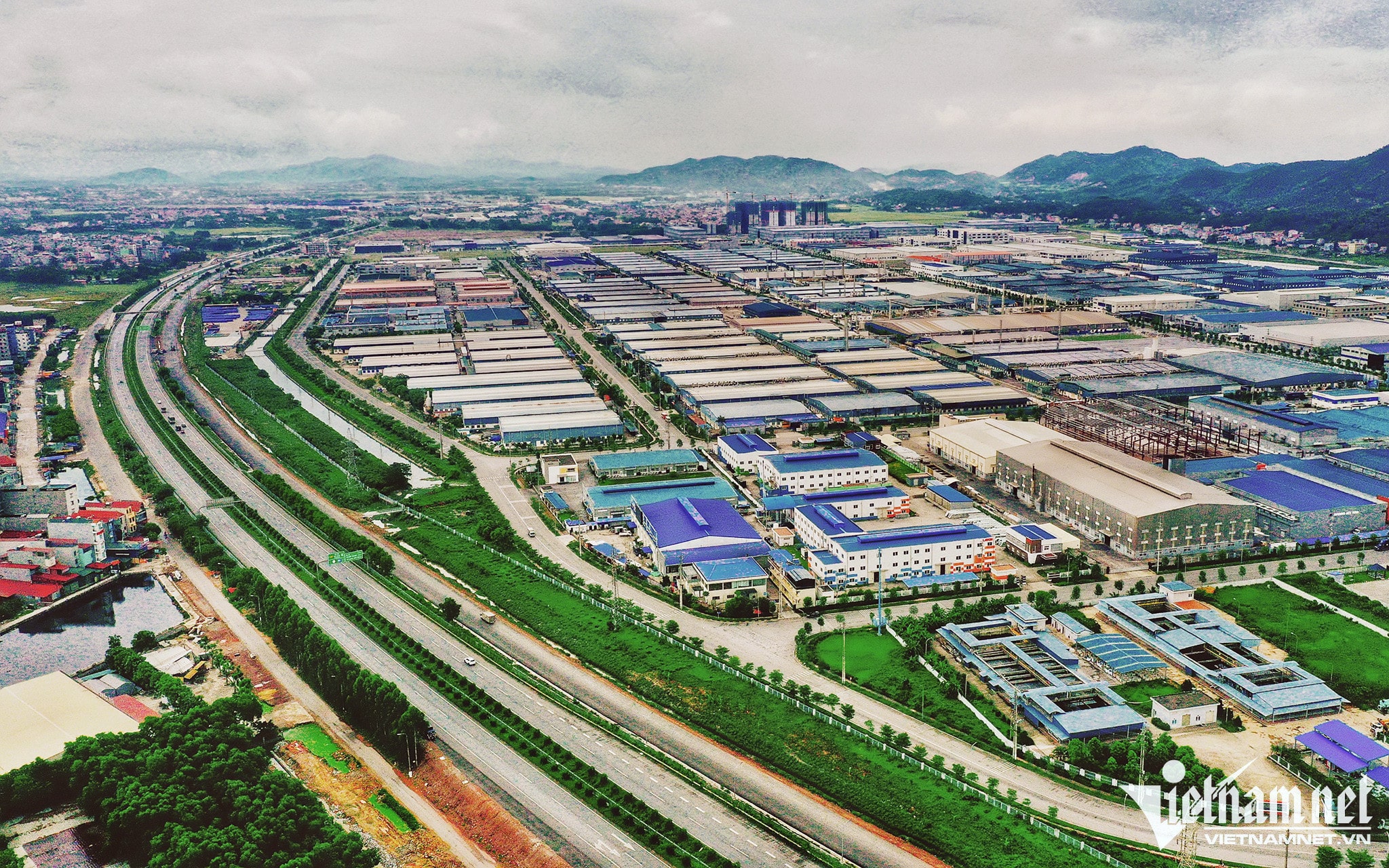
The Industrial Real Estate Market: Navigating an Era of Unprecedented Growth and Transformation
The global economic landscape has seen dramatic shifts in recent years, with few sectors experiencing as profound an impact as the
industrial real estate market. What was once considered a niche segment, primarily focused on manufacturing and warehousing, has now emerged as a powerhouse, attracting record-breaking investment and development. This surge is not merely a transient spike but reflects fundamental changes in consumer behavior, supply chain strategies, and technological advancements that are reshaping the demand for industrial spaces worldwide.
Across continents, from bustling urban centers to strategic logistical hubs, the demand for high-quality industrial properties is outstripping supply. While specific regional dynamics play a role, as vividly demonstrated by the booming Canadian industrial real estate market where availability rates plummeted below 2% and rental asking rates soared by over 10% nationally (and up to 32.3% in major markets like Montreal), the underlying drivers are universal. This article will delve into the forces propelling this market, explore the challenges and opportunities it presents, and offer strategic insights for both investors and businesses.
Key Drivers Fueling the Unprecedented Demand for Industrial Space
The robust growth in the
industrial real estate market is underpinned by a confluence of powerful economic and technological trends:
- E-commerce Explosion: The most significant catalyst has been the exponential growth of online retail. This necessitates a vast network of warehouses, distribution centers, and last-mile delivery hubs to facilitate rapid order fulfillment and efficient returns processing. Consumers' ever-increasing expectations for next-day or even same-day delivery place immense pressure on logistics infrastructure.
- Supply Chain Resilience and Reshoring: Geopolitical tensions, trade disputes, and the recent global pandemic have highlighted the vulnerabilities of extended global supply chains. Many companies are now seeking to diversify their manufacturing and storage footprints, bringing production closer to end-markets (reshoring or nearshoring) to enhance resilience and reduce lead times. This directly translates to increased demand for industrial space in strategic locations.
- Technological Advancements: Automation, robotics, artificial intelligence, and data analytics are transforming industrial operations. Modern warehouses are no longer just storage facilities; they are sophisticated, technology-driven ecosystems requiring specialized infrastructure, higher clear heights, increased power capacity, and robust connectivity. This drives demand for new, purpose-built facilities rather than outdated legacy spaces.
- Urbanization and Last-Mile Logistics: As populations concentrate in urban areas, the need for efficient last-mile delivery solutions intensifies. This has led to a push for smaller, strategically located "infill" industrial properties within or very close to metropolitan centers, often driving up land values and rents dramatically.
- Data Center Proliferation: While distinct, data centers often share characteristics with traditional industrial facilities in terms of land requirements, power infrastructure, and cooling needs. The digital economy's reliance on cloud computing and data storage further contributes to the demand for large, robust industrial plots.
These factors have created an environment where the available supply of quality industrial space simply cannot keep pace with demand, leading to historically low vacancy rates and rapidly escalating lease and sale prices.
Navigating the Competitive Landscape: Challenges and Opportunities
While the boom presents lucrative opportunities, it also comes with significant challenges for various stakeholders in the
commercial industrial real estate sector.
Challenges:
- Scarcity of Serviced Land: Perhaps the most critical bottleneck is the limited availability of serviced industrial land, particularly in prime locations. This is a recurring issue in many high-demand markets, similar to Canada where the lack of serviced land for industrial use even contributes to broader affordability and housing crises. Zoning restrictions, bureaucratic red tape, and environmental regulations further complicate and delay new development, exacerbating the supply crunch.
- Soaring Costs: Record-high demand translates directly into soaring acquisition costs, rental rates, and construction expenses. The average asking sale price for industrial properties has seen increases upwards of 27.9% year-over-year nationally, with some major metropolitan areas witnessing increases of 100% or more, reaching prices like $400/sq ft. This inflation, currently at its highest in decades, puts significant pressure on businesses' overheads and can force them to raise prices for consumers.
- Shortened Lease Terms: In a landlord's market, many property owners are shortening lease terms from traditional 10-15 years down to 3-5 years. While this offers landlords flexibility to adjust rents to market conditions more frequently, it creates uncertainty and higher renewal costs for tenants.
- Construction Lag: Despite a flurry of construction activity (e.g., 36.2 million sq. ft. of industrial space being built in Canada, with nearly 70% already pre-leased), the pace of new development often lags behind demand. Permitting processes, labor shortages, and material costs contribute to delays.
Opportunities:
- Redevelopment and Repurposing: Older, underutilized industrial sites or even distressed retail properties in strategic locations offer significant redevelopment potential. Transforming these into modern distribution centers or multi-story industrial facilities can help address land scarcity.
- Vertical Industrial: In densely populated urban areas, multi-story warehouses are becoming a viable solution to maximize land use. These innovative structures offer ground-floor loading and ramp access to upper levels, effectively creating more industrial space on a smaller footprint.
- Sustainable Industrial Development: The focus on ESG (Environmental, Social, Governance) initiatives is growing. Developers and investors have an opportunity to build energy-efficient, green industrial facilities that attract environmentally conscious tenants and potentially offer long-term operational savings.
- Niche Markets: Beyond traditional warehouses, there's growing demand for specialized industrial properties such as cold storage facilities (for food and pharmaceuticals), data centers, and flex space catering to research & development or light manufacturing.
Strategic Insights for Investors and Businesses in Industrial Real Estate
For those looking to capitalize on or navigate the current environment, strategic planning is paramount.
For Investors and Developers:
- Focus on High-Growth Corridors: Identify emerging logistical hubs and transportation corridors that offer excellent connectivity to major population centers and ports. Proximity to skilled labor pools is also crucial.
- Embrace Innovation: Invest in properties that can accommodate advanced automation and technology. Consider build-to-suit opportunities for sophisticated tenants with specific requirements.
- Strategic Land Banking: Given the scarcity, acquiring well-located, unserviced or brownfield land with an eye towards future development, coupled with efforts to streamline zoning and permitting, can yield significant returns.
- Diversify Portfolios: While warehouses are hot, consider diversifying into specialized industrial assets like cold storage, flex space, or even light manufacturing facilities to spread risk and tap into varied demand drivers.
For Businesses and Tenants:
- Act Swiftly: With space being pre-leased quickly, businesses needing industrial space must act decisively. Proactive engagement with brokers and developers is essential to secure suitable properties.
- Optimize Existing Space: Before committing to new, expensive space, evaluate how existing facilities can be optimized through better layout, automation, or vertical storage solutions.
- Consider Build-to-Suit: If your needs are highly specific and long-term, a build-to-suit arrangement can provide a tailored solution, though it requires significant planning and commitment.
- Evaluate Location Trade-offs: While prime locations come with premium prices, consider secondary markets or slightly less central locations that might offer better value while still meeting logistical requirements. For a deeper dive into market dynamics and forecasts, you might find valuable insights in industrial real estate market - Article 2 and industrial real estate market - Article 3.
- Negotiate Creatively: With shorter lease terms, explore options for rent caps, expansion rights, or other flexible clauses during negotiations to mitigate future cost shocks.
The Future Trajectory of Industrial Real Estate
The outlook for the
industrial real estate market remains robust, with strong demand expected to continue. However, the market will likely evolve in several key ways. Increased pressure will be placed on governments and urban planners to release more viable industrial land and streamline development processes to address the affordability crisis created by scarcity. We can anticipate further innovation in design, with a greater emphasis on multi-story facilities, mixed-use industrial parks, and buildings that integrate sustainable practices and smart technology.
The convergence of e-commerce, supply chain restructuring, and technological adoption means that industrial properties will continue to be critical assets. While the current environment benefits landlords significantly, navigating this competitive landscape will require foresight, adaptability, and a willingness to embrace new development paradigms for all participants.
In conclusion, the industrial real estate market is in a dynamic state of growth, driven by powerful global forces. While the boom presents significant challenges regarding land scarcity and escalating costs, it also unlocks immense opportunities for those willing to innovate and strategically position themselves. Understanding these trends and adapting to them will be key to success in this rapidly evolving sector.