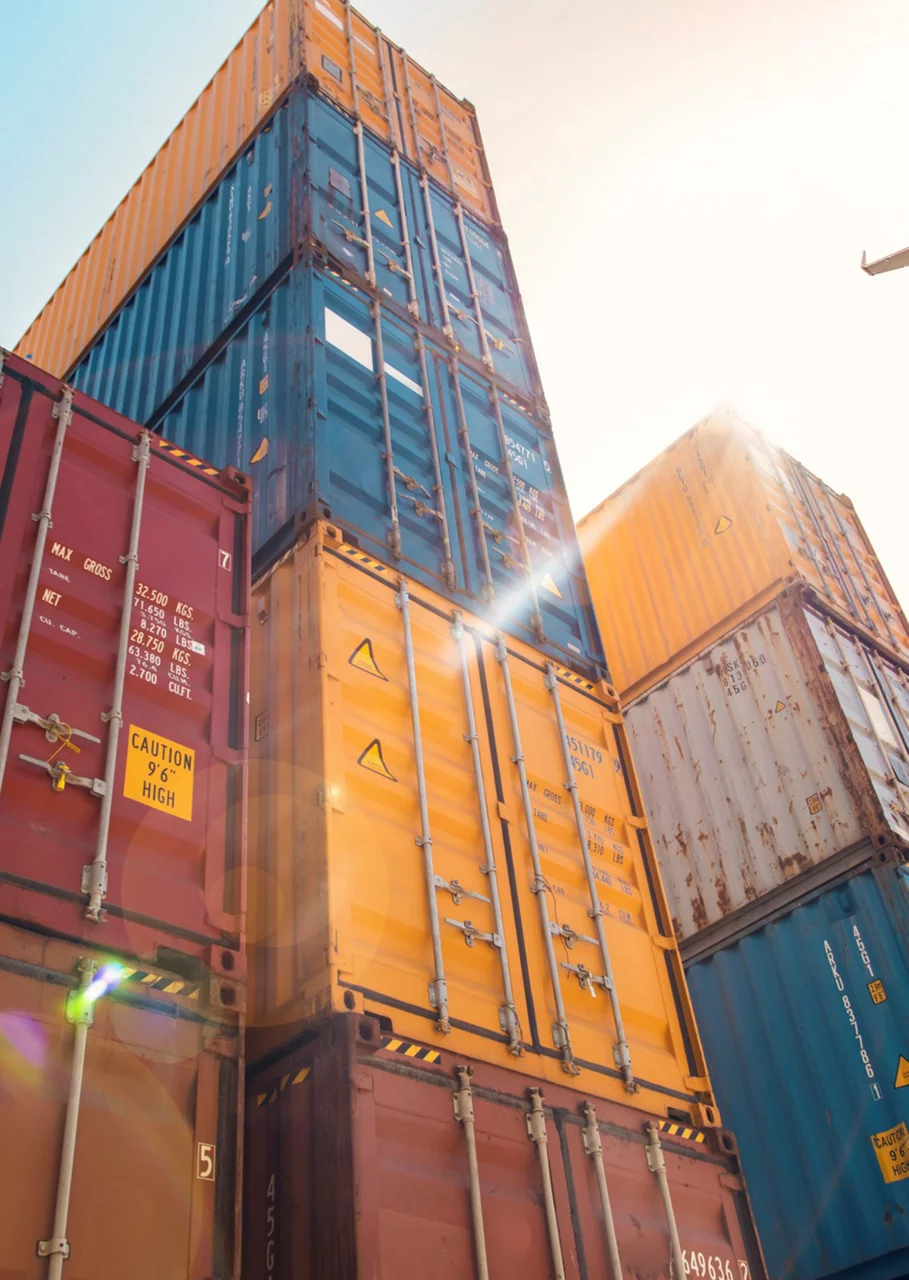
The Unprecedented Surge in the Industrial Real Estate Market
The global industrial real estate market is experiencing a period of unparalleled growth and transformation, characterized by record-breaking investment, robust development activity, and a relentless demand for space. While specific regional dynamics play a role, the overarching narrative is one of a competitive, high-value sector driven by evolving economic forces and shifting consumer behaviors. This article delves into the current state of this dynamic market, exploring its key drivers, the challenges it presents, and strategic considerations for all stakeholders. For an in-depth look at historical trends and foundational concepts, you might find our previous discussion on
industrial real estate market - Article 1 particularly insightful.
Across numerous developed economies, the industrial real estate market is booming. A compelling example is Canada, which, in 2022, witnessed unprecedented activity. Factors such as a strong economy, the relative value of the Canadian dollar, and critically, a severely limited supply of industrial land, fueled an investor frenzy and a development rush. This scenario, where investor eagerness meets developer ambition, paints a vivid picture of the sector's current vitality. Lease prices for industrial spaces and commercially zoned land have skyrocketed, particularly in major metropolitan areas, making it a lucrative time for property owners and a challenging one for businesses seeking operational space.
Key Drivers Fueling the Industrial Property Boom
The remarkable growth in the industrial real estate market isn't accidental; it's the result of several powerful intersecting trends. Understanding these drivers is crucial for anyone looking to navigate this complex landscape.
- E-commerce Explosion: The most significant catalyst has been the exponential growth of e-commerce. As more consumers shift to online shopping, businesses require vast networks of warehouses, distribution centers, and last-mile delivery hubs to store, sort, and dispatch goods efficiently. This directly translates to an insatiable demand for industrial properties.
- Supply Chain Reconfiguration: Global events, including pandemics and geopolitical tensions, have prompted companies to rethink their supply chains. Many are adopting "just-in-case" inventory strategies over "just-in-time" and exploring onshoring or nearshoring production to enhance resilience, all of which necessitate more domestic industrial space.
- Limited Land Supply: A core issue across many markets is the scarcity of suitable industrial land, especially serviced land ready for development. In regions like Canada, the scarcity has become so acute that some of the most in-demand markets simply have no available industrial space or serviced land parcels. This fundamental supply-demand imbalance is a primary driver of escalating prices.
- Strong Economic Performance: A robust economy, characterized by consumer spending and business investment, naturally fuels demand for goods and, by extension, the logistics and manufacturing facilities required to produce and distribute them.
- Inflationary Pressures: While a double-edged sword, high inflation, particularly evident in recent years, can push up construction costs and land values, reflecting in higher rental and sale prices for industrial assets. Landlords, seeking to hedge against inflation, may also shorten lease terms to frequently adjust rents.
These factors have led to historically low vacancy rates. The 2021 Industrial Figures Q4 report, for instance, noted that Canada's national industrial availability rate dipped below 2% for the first time ever. Such tight market conditions inevitably push up rental asking rates, with national increases of 10.9% year-over-year, and even more dramatic surges of up to 32.3% in competitive markets like Montreal. Similarly, average asking sale prices have seen significant spikes, increasing by 27.9% year-over-year nationally, and by as much as 100% in major metropolitan areas such as Vancouver, Toronto, Ottawa, and Montreal, where prices have hit highs of $400 per square foot.
Navigating a High-Stakes Environment: Challenges and Strategic Responses
While the boom presents significant opportunities for investors and developers, it simultaneously creates considerable challenges, particularly for businesses seeking space. Navigating this high-stakes environment requires strategic foresight and adaptability.
Challenges for Businesses and Tenants
- Escalating Costs: Rapidly increasing lease prices and property acquisition costs directly impact a business's overhead. In an era where inflation is already high (reaching levels not seen in decades), these rising real estate expenses can force companies to either absorb higher costs, impacting profitability, or pass them on to consumers through higher product prices.
- Shorter Lease Terms: In a landlord's market, competition for space is fierce. Many property owners are shortening lease terms from traditional 10-15 years down to 3-5 years. While this offers them flexibility to adjust rents more frequently and capitalize on market appreciation, it creates uncertainty and higher administrative burdens for tenants, who face more frequent renewals or relocations.
- Limited Options and Speed: With nearly 70% of new construction often pre-leased, businesses needing industrial space must act with unprecedented speed and decisiveness. Delaying decisions can mean losing out entirely on suitable properties.
Strategic Responses for All Stakeholders
- For Businesses/Tenants:
- Act Proactively: Start your search for new or renewed space well in advance of current lease expirations.
- Consider Alternatives: Explore options beyond prime locations, such as repurposing existing structures or developing build-to-suit facilities if land can be secured.
- Optimize Existing Space: Invest in automation and vertical storage solutions to maximize the efficiency of current industrial properties.
- Leverage Brokers: Work with experienced industrial real estate brokers who have deep market knowledge and access to off-market opportunities.
- For Investors/Developers:
- Strategic Land Acquisition: Focus on acquiring well-located land, even if unserviced, and work through the development process.
- Innovative Development: Explore multi-story industrial buildings in dense urban cores to maximize land use where traditional single-story facilities are no longer viable.
- Partnerships: Collaborate with municipalities and utility providers to accelerate the servicing of industrial land.
- Adaptive Reuse: Consider converting obsolete retail or office spaces into industrial facilities where feasible and permitted by zoning.
Addressing Supply Constraints and Paving the Way Forward
The issue of limited industrial land supply is not merely an economic challenge; it often intertwines with broader societal issues, such as the housing crisis. In many regions, the difficulty in finding and developing serviced land for industrial use inadvertently exacerbates the affordability crisis by limiting business growth and job creation in areas where housing is also scarce.
Addressing this fundamental supply-demand imbalance requires a multi-pronged approach that transcends simple market forces. It calls for significant collaboration between government, developers, and communities:
- Developing Unserviced Land: A critical step is to invest in the infrastructure needed to bring unserviced industrial land online. This includes extending utilities like water, sewer, and power, and improving transportation access.
- Reforming Zoning Restrictions: Outdated zoning bylaws can be a major impediment to industrial development. Reassessing and relaxing some of these restrictions, particularly in areas suitable for light industrial or mixed-use developments, can free up significant parcels.
- Streamlining Bureaucracy: The "red tape" associated with permits, environmental assessments, and other regulatory hurdles often delays projects by years. Governments must work to simplify and accelerate these processes without compromising essential safety and environmental standards.
- Promoting Vertical Industrial: In land-constrained urban centers, the development of multi-story industrial facilities, as seen in some Asian and European cities, offers a viable solution to maximize density and land use.
The current construction pipeline is robust, with significant square footage of industrial space actively being built nationwide. However, the high pre-lease rates indicate that even this new supply is quickly absorbed, underscoring the severity of the undersupply. As we look ahead, the industrial real estate market is expected to remain highly sought-after. While this trend is undoubtedly beneficial for landlords and property owners, it signals increasing difficulties and cost pressures for businesses needing operational space. The imperative to act quickly and strategically has never been stronger. To better understand the different facets of industrial property investment and market dynamics, you can also refer to
industrial real estate market - Article 2.
Conclusion
The industrial real estate market is in a transformative phase, driven by e-commerce, supply chain evolution, and persistent land shortages. While it offers immense opportunities for investment and development, it simultaneously presents significant challenges for businesses struggling with escalating costs and limited options. Navigating this dynamic landscape requires a blend of market insight, proactive strategy, and, for policymakers, a commitment to facilitating sustainable growth through thoughtful land use and regulatory reform. The future of the industrial real estate market will largely depend on how effectively these complex interdependencies are managed, ensuring that the necessary infrastructure is in place to support continued economic expansion and innovation.